




How to Plan a House Move in Toronto: A Room-by-Room Checklist

Moving to a new house in Toronto is exciting — until you realize just how much stuff you've accumulated over the years. A sectional sofa you forgot about. A kitchen drawer that somehow holds six spatulas, a dead battery, and a takeout menu from 2019. Three boxes of "miscellaneous" that you swore you'd sort through last year.
The good news: a house move in Toronto doesn't have to feel overwhelming. The difference between a chaotic moving day and a smooth one comes down almost entirely to preparation. And the best preparation starts room by room, not all at once.
This guide walks you through exactly that — a practical, room-by-room checklist for planning your Toronto house move, from the first box you pack to the moment your new home is ready to live in. If you want the packing detail on its own, start with our top packing tips.
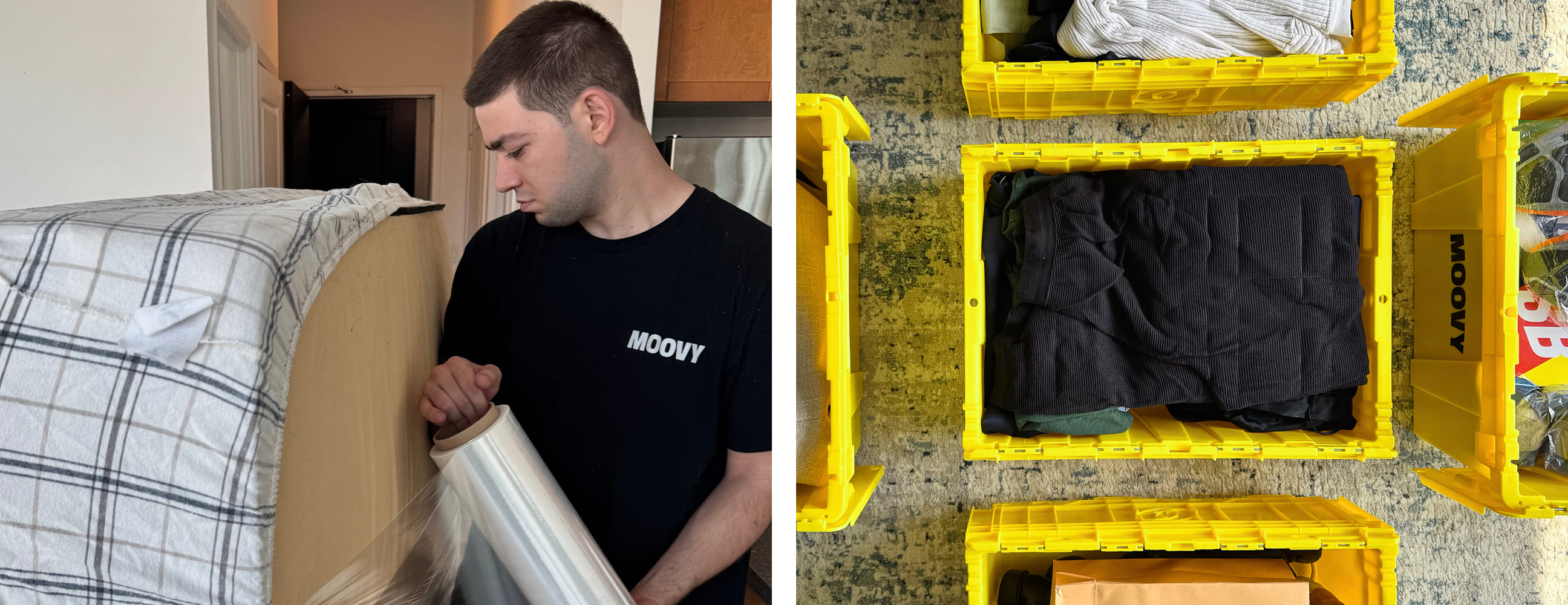
Start With the Big Picture — 6 to 8 Weeks Before Moving Day
Before you touch a single box, spend some time on the logistics that affect everything else.
Book your movers early. Toronto's moving market gets busy fast, especially in spring and summer when most leases turn over. If you're moving between May and September, booking professional house movers 6 to 8 weeks ahead gives you the best choice of dates and crew availability. Last-minute bookings are possible, but you'll have fewer options.
Confirm your move-in date. This sounds obvious, but many people set a moving date without confirming whether keys will actually be available. If you're buying a property, your lawyer handles the transfer — make sure there's buffer time between the legal close and when the movers arrive. An hour of delay on a move-in can cascade into a stressful afternoon.
Decide what's coming with you. Before you pack a single item, walk through your current house and make three categories: bring, donate/sell, and discard. The less you move, the faster and cheaper your move will be. A piano that costs $400 to move might not be worth it if you haven't played in five years. A sectional sofa that won't fit through your new front door definitely isn't.
Notify the important parties. Canada Post mail forwarding, Service Ontario for your driver's licence and health card, your bank, your employer, your children's school, and your insurance provider. Start this list early because it's longer than you think.
The Kitchen — Pack Last, Unpack First
The kitchen is the most complex room to move and should be planned carefully. It's full of breakables, heavy appliances, and items you'll need right up until moving day.
4 to 6 weeks before:
- Sort through your pantry and use up food that won't travel well
- Decide which small appliances are worth keeping (the bread maker you've used twice is a good candidate for donation)
- Take stock of your pots, pans, and bakeware — this is a good time to replace anything you've been meaning to replace
2 weeks before:
- Begin packing non-essential kitchen items: seasonal bakeware, seldom-used gadgets, extra dishes
- Use dish boxes (double-walled) for plates and glasses; wrap individually with packing paper
- Keep a "last week" kit: one pot, one pan, a few plates, and the essentials you'll use until moving day
Packing tips for the kitchen:
- Pack plates vertically, not flat — they're more protected against pressure
- Fill empty spaces in boxes with crumpled paper to prevent shifting
- Label every box with both the room and the general contents ("Kitchen — Glasses + Mugs")
- Keep knives in their block or wrapped separately with the blades covered; a box marked "kitchen knives" is a hazard waiting to happen
Heavy appliances: Your fridge, stove, and dishwasher need defrosting and disconnection before moving day. Defrost the fridge at least 24 hours in advance and leave it propped open to dry. If your stove uses gas, a licensed technician needs to disconnect it — this is not a DIY job.
Living Room and Dining Room — Furniture First, Décor Second
These rooms have your biggest and heaviest furniture — the items that take the most time to load and the most planning to place at the new home.
Measure before you pack. The sofa that fits perfectly in your current living room may not fit through your new front door. Measure doorways, hallways, and stairwells at both locations before moving day. If something won't fit, find out now — not when the movers are standing outside.
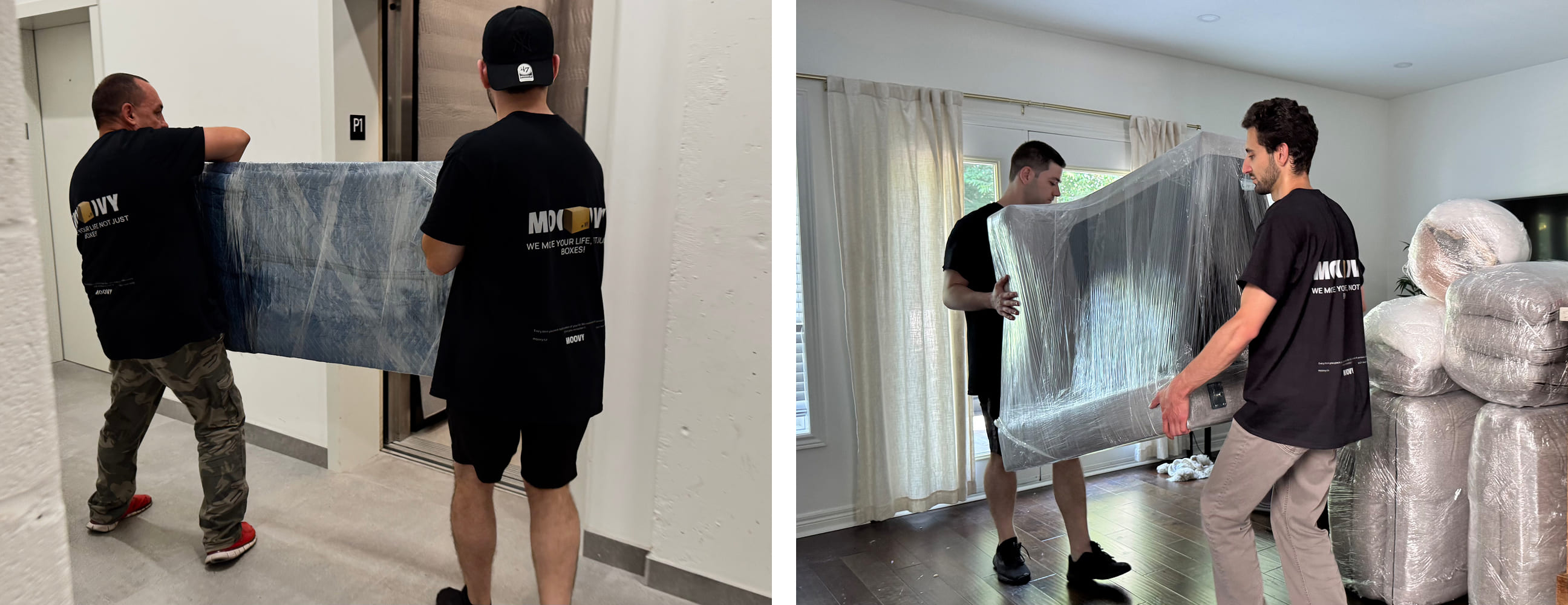
Disassembly: Most large furniture — bed frames, bookshelves, sectionals, dining tables — moves more safely and efficiently when disassembled. If you've hired professional movers, this is included in their service. If you're doing it yourself, keep screws and hardware in a labeled ziplock bag taped directly to the piece it belongs to.
Fragile décor and art:
- Picture frames and mirrors should be wrapped in bubble wrap and packed in mirror/frame boxes; never stack flat
- Take photos of how your TV and sound system are connected before you disconnect anything — it saves significant time at the new place
- Lamps go without their shades; wrap shades separately in packing paper inside a soft-sided bag or oversized box
Carpets and rugs: Roll them tightly, wrap in stretch wrap or paper, and label them. If a rug is going in a specific room at the new house, label it clearly so it doesn't get buried under boxes.
Bedrooms — Start Earlier Than You Think
Bedrooms tend to feel manageable because a lot of the contents go directly into bags and boxes. The challenge is that there are usually more of them than you think.
Start with out-of-season items: Pack winter clothes, seasonal bedding, and items stored under the bed first — these can be boxed up weeks in advance.
Closets are their own project: A full wardrobe closet can take two to three hours to pack properly. Use wardrobe boxes for hanging clothes to avoid wrinkling. Fold and pack everything else in medium-sized boxes — large boxes packed with clothes become extremely heavy.
Children's bedrooms: Pack with your kids' help where possible, but keep a few comfort items — a stuffed animal, a favourite book, a tablet — in a separate bag that stays with them on moving day. The disruption of a move can be hard on children; familiar items nearby help.
Furniture:
- Disassemble bed frames and label all parts
- Dressers can often be moved with clothes still inside if the drawers are taped shut or secured with stretch wrap — check with your movers
- Mattresses should be in mattress bags to protect them during transit; your movers will have these
Bathrooms — Small but Time-Consuming
Bathrooms are easy to overlook because they seem small. In practice, they're full of liquids, medications, and items that need special handling.
Liquids: Most toiletries — shampoo, cleaning products, lotions — should be placed in sealed ziplock bags before boxing. Even a small leak can damage everything else in the box. Consider donating or discarding anything that's less than half full.
Medications: Keep these with you personally, not in the moving truck. Put them in a clearly labeled bag in your personal essentials kit (more on this below).
Cabinets and vanities: Empty everything and wipe down before moving day. Cleaning a bathroom cabinet is much easier when it's empty.
Basement, Garage, and Storage Areas — The Hidden Time Sink
In Toronto houses, the basement and garage are where moves get complicated. These spaces accumulate years of items that haven't been thought about in a long time.
Start here early. Give yourself at least a full weekend for the basement alone. Be ruthless: if you haven't used it in two years and it has no sentimental value, it probably doesn't need to come with you.
Tools and hardware: Pack tools in their original cases where possible. Loose tools in boxes are heavy and dangerous. Hardware (screws, nails, bolts) should go in sealed containers, clearly labeled.
Hazardous materials: Paint, solvents, propane tanks, and pesticides cannot be transported in a moving truck. Toronto has household hazardous waste drop-off locations — check the City of Toronto website for the nearest one and drop-off hours.
Sports equipment and bikes: These are bulky and awkward. Bikes should be disassembled or professionally packed if they're carbon frame. Skis, hockey gear, and similar equipment should be packed in their bags or cases and labeled.
The Week Before — Final Preparations
This is when everything comes together — or falls apart if you haven't prepared. Here's what to focus on in the final seven days.
Confirm everything with your moving company. Call to confirm the date, start time, and address. Make sure they have parking information for both locations — in Toronto, this matters more than people expect. Some buildings and neighbourhoods require parking permits for moving trucks; check this at least a week in advance.
Prepare your new home. If you have access to the new house before moving day, take measurements, note any existing damage (photograph it), and decide where large furniture will go. Having a rough floor plan saves significant time on moving day.
Pack your essentials bag. This is the single most useful thing you can do. Pack a bag or box that travels with you — not in the truck — containing:
- Important documents (ID, lease or purchase agreement, insurance)
- Medications
- Phone chargers and electronics
- A change of clothes for the next two days
- Basic toiletries
- Coffee maker, coffee, and a few kitchen essentials for the first morning
- Snacks and water for moving day
- Cash for tips (more on this below)
Label everything clearly. Every box should have the destination room written on the top and at least one side. Boxes that go to the garage should say so — don't assume movers will know.
Moving Day — What to Expect
If you've followed the checklist above, moving day itself should be the least stressful part of the whole process.
Be present and available. Your movers work most efficiently when they can ask questions and get quick answers. Stay at the property during loading, and be at the new house before the truck arrives.
Do a final walkthrough. Before the truck leaves, walk through every room, every closet, every cabinet, the attic if there is one, and the garage. Check behind doors and under beds. It's much easier to catch a forgotten item now than after the truck has left.
Tipping your movers. This is entirely optional but appreciated. In Toronto, a common approach is $20–$40 per mover for a standard move, more for a particularly long or difficult job. Pay in cash directly to each person.
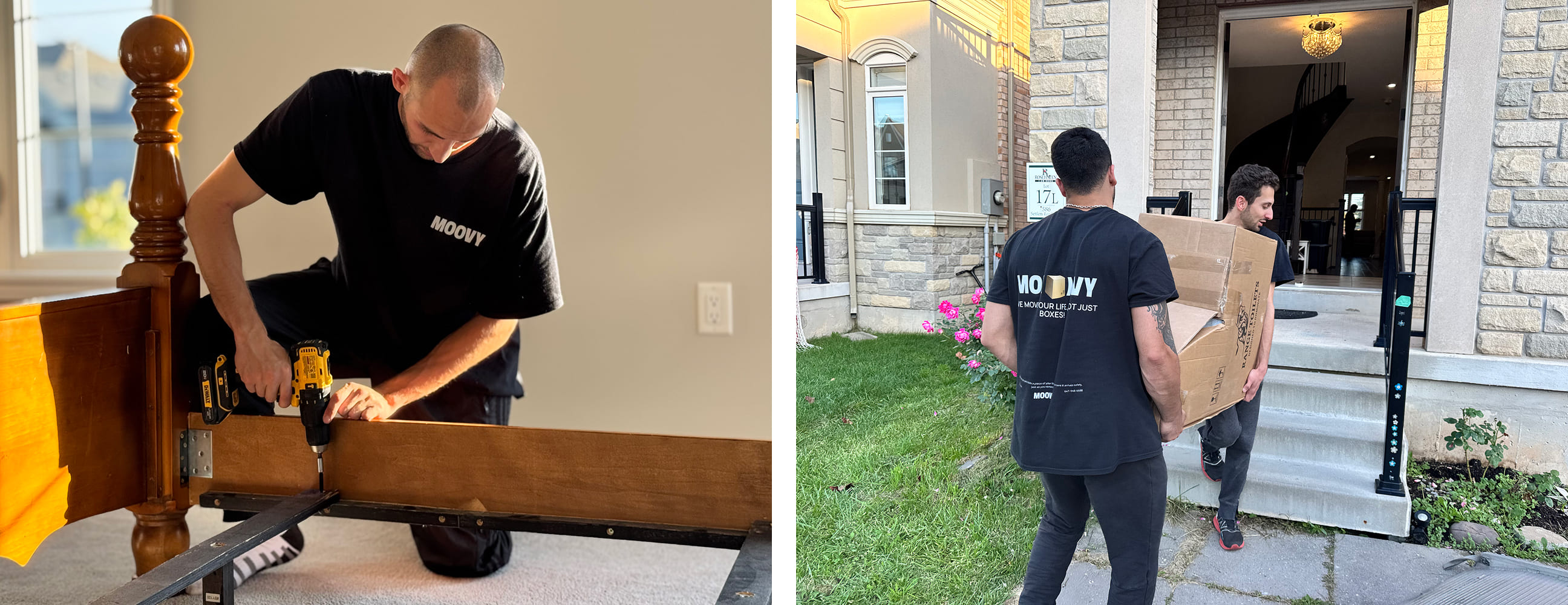
At the new house: Direct movers to the correct rooms using your labels. Your floor plan notes from earlier will help. Don't worry about exact furniture placement on moving day — get the large pieces roughly where you want them and adjust over the following days.
After the Move — First Week Priorities
The boxes are inside. The movers have left. Now what?
Unpack in order of necessity: bathroom and kitchen first, bedrooms second, living areas third. The basement and garage can wait.
Change your locks — or have them re-keyed. You don't know how many copies of the previous keys are out there, and a locksmith can re-key a standard lock quickly and inexpensively.
Register your new address officially: Service Ontario for your driver's licence (you have six days from the move), your bank, your insurance, Canada Post mail forwarding, and your children's school if applicable.
Introduce yourself to your neighbours. It sounds old-fashioned, but Toronto neighbourhoods vary widely in character — knowing your immediate neighbours makes a genuine difference.
Ready to Start Planning Your Toronto House Move?
A house move in Toronto involves more moving parts than most people expect — and the best way to reduce stress is to start early, work room by room, and not try to do everything at once. It also helps to know where people usually lose time: our guide to the most common moving mistakes in the GTA covers the ones worth planning around.
When it comes to the physical move itself, working with professional movers removes the hardest part. Moovy's house moving service covers packing, furniture disassembly and reassembly, heavy items, and all the labour-intensive parts of the job — with free shipping across Toronto and the GTA, no deposit required, and no fuel surcharges.
If you're moving into an apartment or condo instead, the process is similar but has its own considerations — elevator bookings, building rules, and narrower hallways. Moovy's apartment moving service handles those details as well.
Check how Moovy works or request a free quote to get started. Rates begin at $119/hour for two movers, and the team responds quickly — usually the same day.
Moving somewhere outside Toronto? Moovy also serves Mississauga, Brampton, Markham, Vaughan, and across the GTA.