




Packing Tips for Moving: How to Pack for a Move Without the Stress

Packing takes longer than most people expect, and it is the part of a move you control completely. Start early, pack one room at a time, use boxes that will not give way, and label everything. These packing tips for moving cover the whole process: when to start, what supplies to get, how to pack dishes and other fragile items, and how to unpack without chaos.
When to start packing for a move
Give yourself at least two to three weeks for a small home and six to eight weeks for a full house. A little packing every day is easier than a weekend rush before the truck arrives.
6-8 weeks before
Go through your belongings and decide what to keep, sell or donate. Start collecting boxes and packing materials, and get quotes from movers so you can lock in your date.
4 weeks before
Pack the things you rarely use: books, decor, out-of-season clothes, the contents of the garage and storage areas. Label boxes as you go.
2 weeks before
Pack most of the house except everyday items. Start using up food from the freezer and pantry, and confirm the details with your moving company.
Moving week
Pack what is left, keeping out only what you need until moving day. Clean each room once it is packed, and put together an essentials box for the first night in the new home.
Declutter and donate before you pack
Every item you do not pack is one less box to carry, load and unpack. Before you tape the first box, decide what you really want in the new home. Furniture and household items in good condition can go to Toronto charities such as Furniture Bank, and some charities offer pickup, so you may not have to haul the donations yourself.
Packing boxes for moving and other supplies
Good packing materials pay for themselves. A box that tears at the bottom can break everything inside it.
- Use small boxes for heavy things like books, medium boxes for most household items and large boxes only for light things like pillows and bedding.
- Buy packing paper or bubble wrap, strong packing tape and a marker for each person packing.
- Keep stretch wrap for drawers and doors, and a box cutter for unpacking.
If you would rather skip cardboard, sturdy reusable bins do not tear, need no tape and keep out dust and rain. Moovy offers moving bins for rent with one delivery and one pickup included, and the bins cost less when you book them together with your move.
Moovy's crew brings moving blankets for furniture and heavy-duty mattress bags for every mattress, so you do not need to buy those.
Pack room by room, starting with the rooms you use least
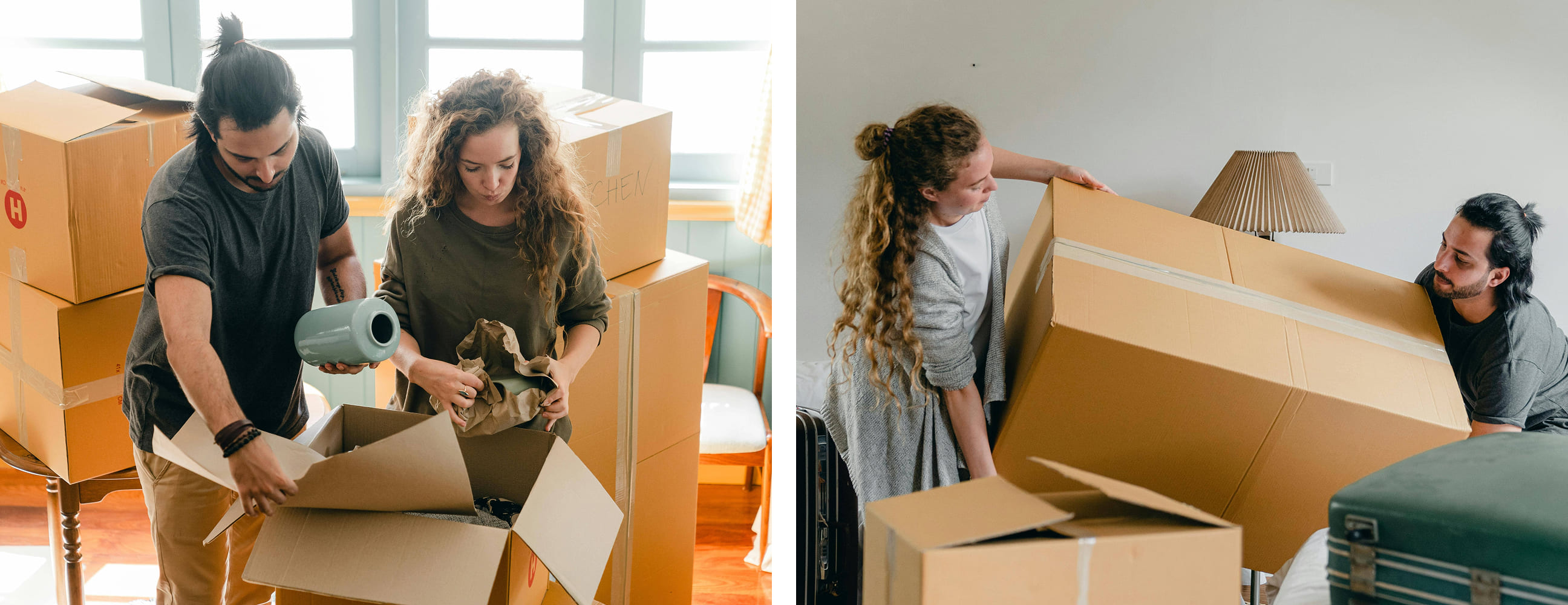
Packing one room at a time keeps the process under control and makes unpacking faster, because every box comes from one place and goes to one place. Start with the balcony, the laundry room, the garage or the spare room, and leave the kitchen, the bedroom and the bathroom for the last few days.
Kitchen
Pack appliances you rarely use first, in their original boxes if you still have them. Put heavy items at the bottom of each box and lighter ones on top. Keep a short list of what went into each kitchen box.
Bedroom
Start with what is under the bed and on top of the closet. Wardrobe boxes keep hanging clothes from creasing. Keep bedding for the first night in a separate labelled bag.
Living room
Take a photo of how the TV and other electronics are connected before you unplug them. Wrap lampshades separately from the bases. Put the screws and bolts from any furniture you take apart into a labelled bag and tape it to the piece it belongs to.
Home office
Back up your files before you pack the computer. Label cables, use small boxes for books and paper, and keep important documents in a separate folder that travels with you.
How to pack dishes and other fragile items
Dishes and plates
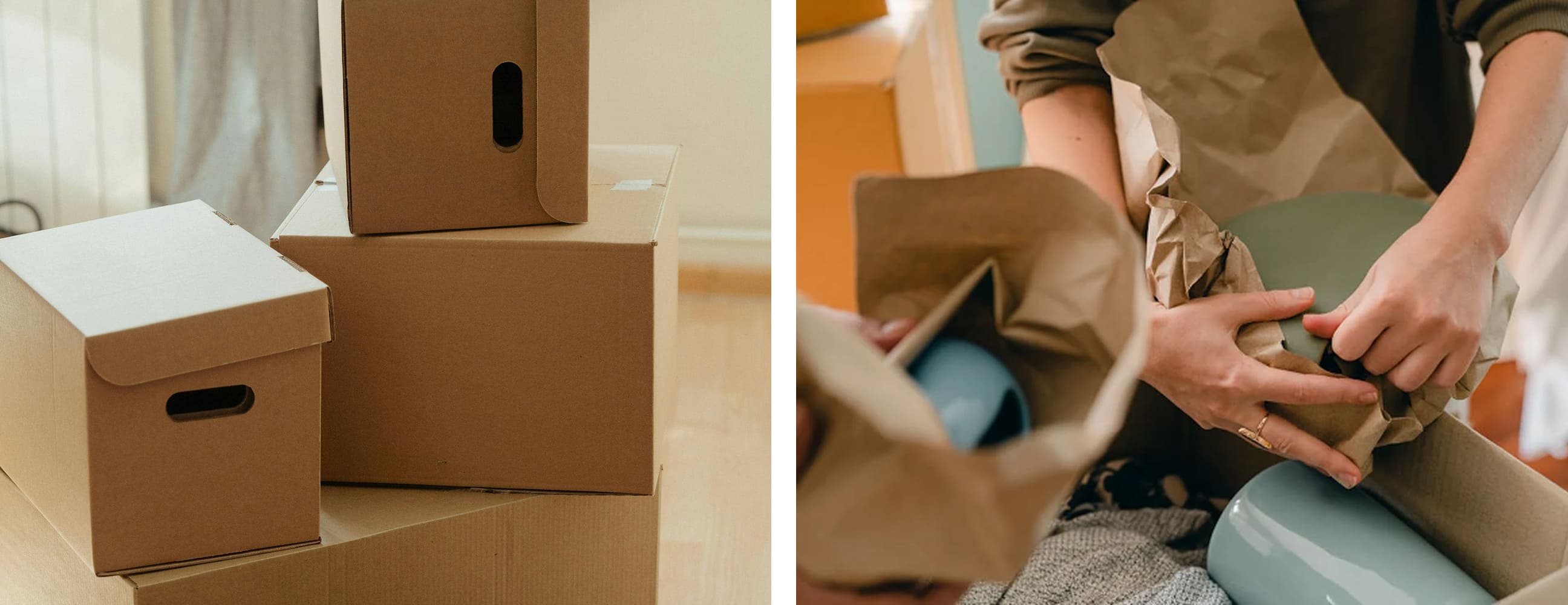
Line the bottom of the box with crumpled paper or a towel. Wrap each plate on its own and stand plates on their edge, like records, rather than stacking them flat. Fill every gap so nothing moves when you lift the box.
Glasses, vases and jars
Wrap each piece separately and use boxes with cardboard dividers for wine glasses. Fill the inside of vases, glasses and jars with paper, towels or soft clothes such as T-shirts. Pack lids and other removable parts separately.
Box weight and tape
Put the heaviest items at the bottom, do not overfill boxes with fragile items, and reinforce the bottom with extra strips of tape. Mark the box "FRAGILE" on more than one side.
How to label boxes so unpacking goes fast
Write two things on every box: the room it goes to and what is inside. A few extra steps save hours later:
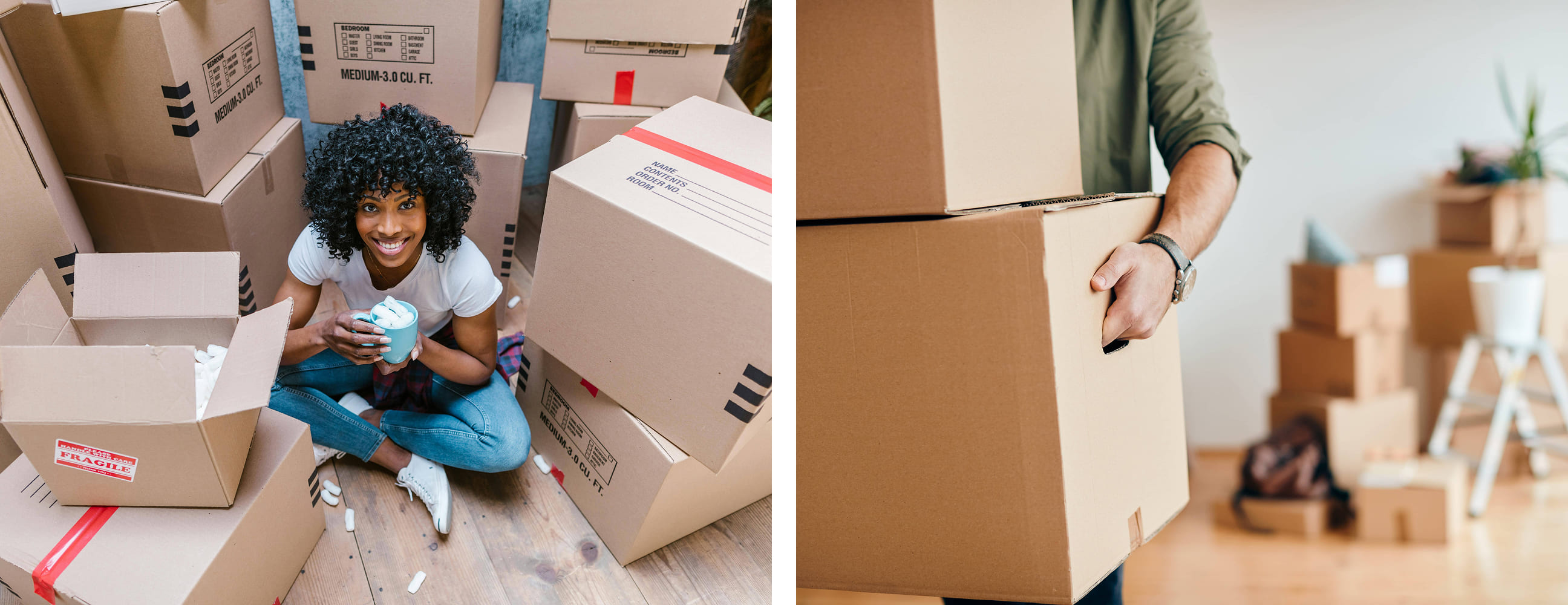
- Number the boxes and keep a simple list of what each number contains.
- Use one colour per room, for example blue for the kitchen and green for the bedroom.
- Mark the boxes you will open first, and add "This side up" where it matters.
- Take a photo of the contents before you seal a box.
With clear labels, the crew can put every box straight into the right room, and each person in the family can unpack a different room without searching through someone else's boxes.
Moving day plan
Keep your essentials box, documents and valuables with you, not in the truck: medications, chargers, snacks, water and the paperwork for the move. Sketch where the main furniture goes in the new home so the crew can place it on the first try. Before you leave, take photos of the utility meters and walk through every room, closet and cupboard one last time.
Unpacking in the right order
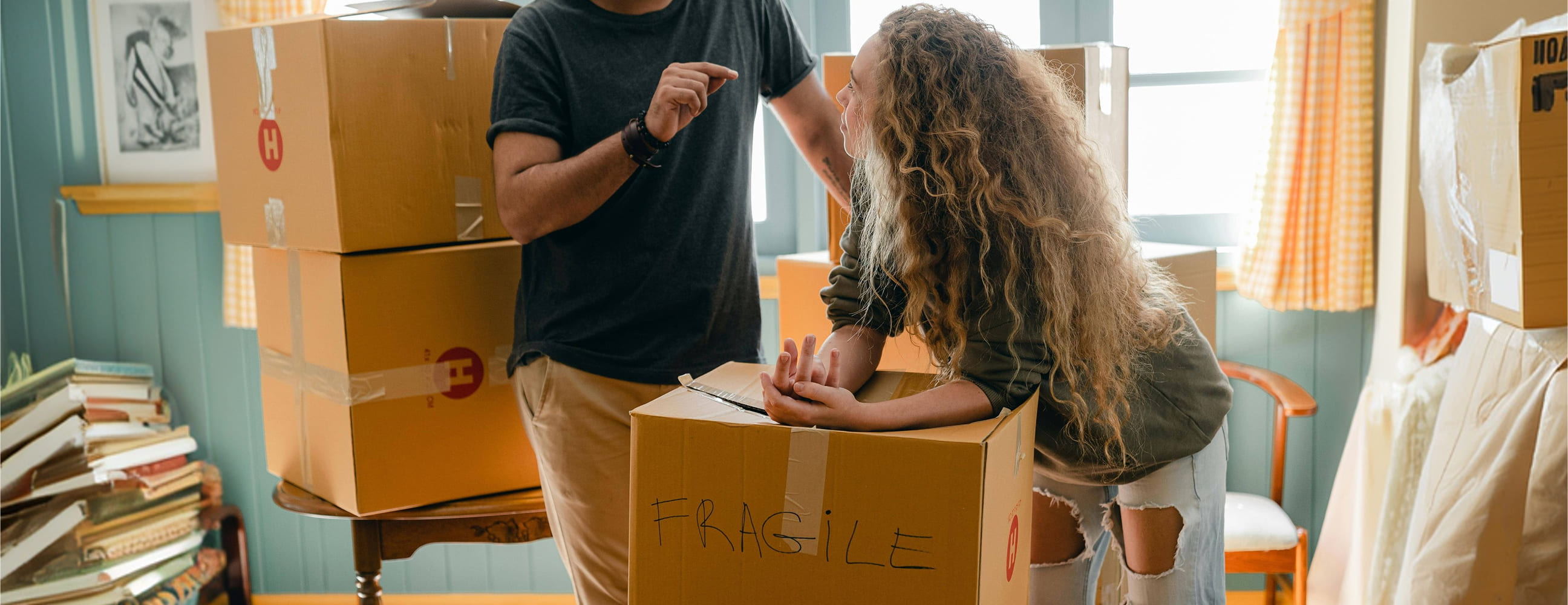
Unpack the kitchen, the bathroom and the bedroom first, so you can eat, wash and sleep on the first night. Finish one room before you start the next, and break down boxes as you empty them to free up space. Some boxes will wait for weeks, and that is fine.
Packing help from Moovy
If you would rather not pack everything yourself, Moovy's crew can pack for you. Packing, furniture disassembly and reassembly are all covered by the same hourly crew rate, so you only pay for the time the job takes. See our moving rates for details, and what is included in a full house moving service. For the planning side of a move, our room-by-room house move checklist covers what to arrange before moving day.
Tell us your home size, both addresses and your date to get a free moving quote.
Frequently Asked Questions
When should I start packing for a move?
Two to three weeks before the move is enough for a small apartment. For a family house, start six to eight weeks ahead with the things you use least.
What size boxes should I use?
Small boxes for heavy items such as books, medium boxes for most household goods and large boxes only for light items like pillows and bedding.
Should I empty dresser drawers before the move?
Empty wooden dressers to reduce the weight and avoid damage. Light plastic drawer units can often travel with soft, non-fragile contents left inside.
Can Moovy pack for me?
Yes. Packing is covered by the same hourly crew rate as the move itself, together with furniture disassembly and reassembly.